
 27 просмотров
ECOLOGICALLY SUSTAINABLE METHODS FOR PROTECTING PERENNIAL FLOWERING PLANTS AGAINST LEAF-DAMAGING PESTS IN ASTANA
Abstract: this article examines environmentally responsible approaches to protecting hydrangeas, grown as perennial ornamental shrubs, against leaf-damaging pests in Astanas sharply continental climate. Wind exposure, fluctuating air and soil moisture, temperature extremes, soil compaction and phytophagous organisms introduced with planting stock are considered as interconnected pressures on plant health in urban settings. A review of the literature suggests that hydrangea protection should rely on phytosanitary surveillance, sound cultivation practices, biological products and early pest detection rather than routine chemical spraying. Recommended measures include regular inspection of leaf damage, careful management of soil moisture, sanitary removal of affected plant parts, conservation of beneficial insects and selective use of biological control agents. Together, these practices can help maintain the ornamental quality of hydrangeas in Astana while reducing pesticide use and improving the ecological resilience of urban green spaces.
Keywords: hydrangea, Hydrangea paniculata, Astana, leaf-damaging pests, phytophagous organisms, biological control, sustainable urban landscaping, pest monitoring, phytosanitary surveillance.
https://doi.org/10.68367/34114
УДК 631+632.7:635.9+574.2
Meirambek M.
second-year Master's student
Kazakh Agrotechnical Research University named after S. Seifullin
(Astana, Kazakhstan)
ECOLOGICALLY SUSTAINABLE METHODS
FOR PROTECTING PERENNIAL FLOWERING PLANTS
AGAINST LEAF-DAMAGING PESTS IN ASTANA
Abstract: this article examines environmentally responsible approaches to protecting hydrangeas, grown as perennial ornamental shrubs, against leaf-damaging pests in Astana's sharply continental climate. Wind exposure, fluctuating air and soil moisture, temperature extremes, soil compaction and phytophagous organisms introduced with planting stock are considered as interconnected pressures on plant health in urban settings. A review of the literature suggests that hydrangea protection should rely on phytosanitary surveillance, sound cultivation practices, biological products and early pest detection rather than routine chemical spraying. Recommended measures include regular inspection of leaf damage, careful management of soil moisture, sanitary removal of affected plant parts, conservation of beneficial insects and selective use of biological control agents. Together, these practices can help maintain the ornamental quality of hydrangeas in Astana while reducing pesticide use and improving the ecological resilience of urban green spaces.
Keywords: hydrangea, Hydrangea paniculata, Astana, leaf-damaging pests, phytophagous organisms, biological control, sustainable urban landscaping, pest monitoring, phytosanitary surveillance.
Introduction. Flowering shrubs are gradually changing the appearance of streets and parks in Astana. Where urban planting schemes once relied largely on hardy trees and unassuming shrubs, interest has grown in perennials that flower for an extended period. Hydrangeas, particularly panicle hydrangea (Hydrangea paniculata), are especially promising for the capital’s landscape. Their large flower clusters, long flowering season and well-defined shape make them striking features in public spaces. Yet the very qualities that make these shrubs attractive also make damage conspicuous. Chewed, curled or discoloured leaves, as well as foliage weakened by sap-feeding insects, affect both the plant’s physiological condition and its visual appeal. The issue is particularly important in Astana because of its climate. Dry winds, pronounced differences between winter and summer temperatures, irregular rainfall and compacted soil in some planting areas place hydrangeas under additional stress. Stressed plants are more vulnerable to pest pressure, while damaged foliage may reduce photosynthesis, weaken shoots and compromise flowering in the following season. The purpose of this article is to bring together research-based, environmentally sustainable approaches to protecting hydrangeas cultivated in Astana from leaf-damaging pests, with a particular focus on reducing dependence on chemical treatments. The objectives are to examine the conditions favouring phytophagous pests, assess how the urban environment affects plant resilience, compare biological and cultivation-based control methods, and propose a practical monitoring-led protection scheme. The study focuses on Hydrangea paniculata planted in Astana’s landscaped areas. Its theoretical contribution lies in treating pest protection not as a single spraying operation but as an integrated ecological system combining plant vigour, clean planting stock and early detection of pest populations. The proposed practices are relevant to parks, residential courtyards, planting beds near administrative buildings and private gardens.
Materials and Methods. This review draws on studies published by Kazakhstani and Russian researchers between 2023 and 2025. Priority was given to publications on the phytosanitary condition of ornamentals, leaf-feeding and sap-feeding pests, biological control, the adaptation of hydrangeas and other ornamental crops to urban environments, early pest detection and invasive organisms transported with planting material. The literature was examined comparatively, and the findings of each study were interpreted in relation to growing hydrangeas in Astana. Three criteria guided the assessment of protection strategies: limiting chemical exposure, identifying pests before populations become widespread, and establishing growing conditions that support the plant’s natural resilience.
Review of the Literature. There is a sound scientific basis for considering biological agents in environmentally sustainable hydrangea protection. R. Zh. Abdukerim, M. Musina, G. Abysheva and their co-authors investigated the potential of Beauveria species isolated in southern Kazakhstan to control Colorado potato beetles under dry conditions. Their work highlights the promise of entomopathogenic fungi adapted to local environments and suggests that local isolates may be suited to the abiotic and biotic conditions in which they occur [1, p. 12]. It would not be scientifically justified to transfer these particular fungal isolates directly to hydrangea pests without further testing. The underlying principle, however, is relevant: when selecting a biological product for Astana, its ability to function during cool nights, low humidity and fluctuating temperatures must be considered. Performance under local conditions matters more than the product name alone.
Urban plant health extends beyond individual shrubs. Zh. G. Berdenov, Zh. I. Inkarova, K. M. Saginov, E. Kh. Mendybayev and E. N. Mukanov highlight the importance of green infrastructure for biodiversity and ecosystem services in Astana [2, p. 7]. Sustainable hydrangea protection therefore requires appropriate planting sites, adequate soil moisture and regular maintenance alongside pest control.
Leaf damage in ornamental plants may result from pests or environmental stress. T. M. Golomidova, S. V. Mukhametova, I. P. Kurnenkova and L. V. Sukhareva emphasise visual diagnosis and preventive care [3, p. 14]. In hydrangeas, browning leaf margins may indicate wind damage, drought or sun scorch rather than insect activity. Chemical treatment should follow confirmed pest identification.
The risk of introducing new phytophagous organisms through planting stock is particularly relevant to nursery-grown ornamentals such as hydrangeas. N. N. Karpun and E. I. Shoshina, in their review of ornamental plant introductions as a pathway for phytophagous invasions, note that large seedlings, tiny insects and larvae, inconspicuous eggs and concealed feeding habits can all facilitate pest movement into new areas [4, p. 376]. Hydrangeas delivered to Astana from other regions or foreign nurseries should therefore be checked before planting, especially on the undersides of leaves, on young shoots, around buds and at stem nodes. Identifying a pest when stock arrives is far safer than managing an established infestation over several years.
N. Salybekova, G. Isayev, A. Serzhanova and V. Mikhailov demonstrated the potential of AI-assisted monitoring in ornamental plant cultivation. Their greenhouse tulip model analysed temperature, humidity and phytosanitary risks, reporting reduced pest damage [5, p. 7]. For urban hydrangeas, simpler digital monitoring through weekly photographs, symptom records and weather observations can support early detection and timely intervention.
L. Yu. Treivas emphasises accurate symptom recognition, pest identification and appropriate intervention timing in ornamental plant protection [6, p. 74]. Leaf holes, skeletonisation, sticky deposits and curling may indicate different causes. Effective hydrangea protection therefore requires diagnosis before treatment rather than routine chemical spraying.
Results and Discussion. The reviewed studies suggest that effective ecological protection of hydrangeas in Astana cannot be reduced to a simple «pest appears—apply insecticide» sequence. Protection begins when the shrub is purchased. Young leaves, leaf undersides, shoot tips and stem nodes of nursery stock should be inspected, and suspect plants should not immediately be incorporated into a shared planting scheme. A short observation period may reveal signs of small, initially unnoticed pests. This quarantine-style precaution is particularly valuable in public spaces where dozens of identical hydrangeas are planted together: a single infested plant can become a source of pests for an entire row.
Once hydrangeas have been planted, their physiological condition becomes the principal line of defence. Excessive trampling around the roots, prolonged dryness and persistent waterlogging all weaken shrubs. Because Astana’s winds accelerate moisture loss from foliage, irrigation should respond to actual soil conditions rather than follow a rigid calendar. Organic mulch around the root zone can slow moisture loss and moderate changes in soil temperature. Fertilisation should also be restrained: excessively lush, soft young growth may provide favourable feeding sites for sap-sucking pests.
A practical monitoring programme can begin with weekly inspections. Looking only at the upper leaf surfaces is insufficient: shoot tips, leaf undersides, areas along the midrib, buds and stem junctions also need attention. When the first damaged leaf is found, it is more useful to inspect that shrub carefully and establish whether a pest is present than to spray the entire planting bed. If an infestation is localised, removing affected leaves, manually dislodging insects or washing them away with water may sometimes eliminate the need for chemical treatment. Biological products or narrowly targeted interventions should be considered only when the population begins to increase.
Photographic documentation offers groundskeepers an inexpensive but useful monitoring tool. If the same shrub is photographed from approximately the same angle each week, changes in foliage density, the spread of injury to new shoots and any reduction in damage following intervention become easier to recognise. Records gathered over one growing season can improve preventive planning the following year. They show when pests first appeared, the weather conditions associated with their increase and the measures after which numbers declined. Evidence-based maintenance is therefore possible even without expensive technology.
Table 1. Diagnostic indicators and initial ecological responses.
| Visible symptom | Possible explanation | Recommended first step |
| Holes or skeletonised leaves |
Leaf-feeding insects | Inspect both leaf surfaces, remove affected leaves where appropriate |
| Curling and sticky deposits | Potential sap-feeding insects |
Check shoots and leaf undersides, confirm the organism |
| Brown or dry leaf edges | Wind, water stress or sun scorch | Assess soil moisture and exposure before treating |
| Fine pale stippling | Possible mite activity or other stress |
Examine leaf undersides and monitor progression |
The diagnostic indicators listed in Table 1 show that visible leaf damage should not be interpreted mechanically. Similar symptoms may arise from different causes, and the first response should therefore focus on verification rather than immediate treatment. Such an approach reduces unnecessary pesticide use and helps maintain a more stable ecological condition in ornamental plantings.
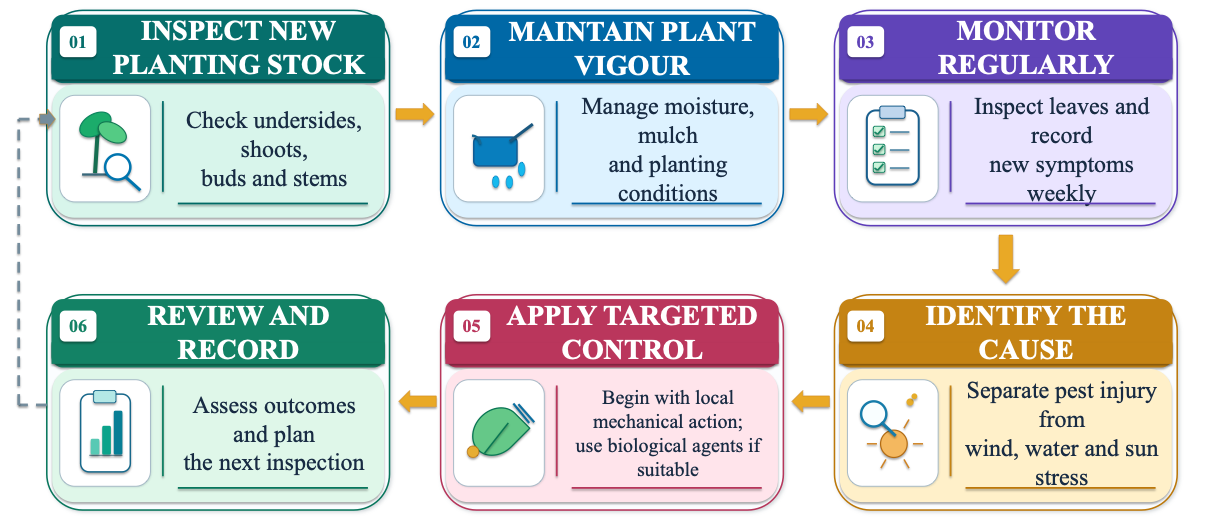
Figure 1. Monitoring-led ecological protection pathway.
Figure 1 reflects the practical sequence of ecologically sustainable hydrangea protection in urban conditions. The pathway begins with the inspection of planting stock and continues through the maintenance of favourable growing conditions, regular monitoring, accurate diagnosis and only then targeted intervention. This sequence strengthens preventive plant protection and supports more rational management of leaf-damaging pests in Astana.
Conclusion. Ecological protection of hydrangeas against leaf-damaging pests in Astana does not require the complete elimination of chemical products, rather, it means reserving them for situations in which other measures are insufficient. Priority should be given to high-quality planting material, phytosanitary inspection, appropriate irrigation, root-zone care, regular visual monitoring and the early removal of localised pest populations. Biological agents can complement this system when selected with the local climate in mind. Although hydrangeas are attractive additions to Astana’s ornamental landscapes, the condition of their leaves and young shoots quickly reveals the quality of their care. When damage appears, identifying its cause is more important than immediately choosing a pesticide. A coordinated system of diagnosis, cultivation practices, biological control and seasonal monitoring can preserve ornamental value while reducing pesticide pressure. Such an approach extends beyond individual shrubs and provides a foundation for more sustainable urban landscaping throughout Astana.
REFERENCES:
1. Abdukerim R.Zh., Musina M., Abysheva G., Tumenbayeva N., Mombayeva B., Karabayeva A., Amangeldi N., Amangeldikyzy Z. Potential of Beauveria species isolated from southern Kazakhstan to control Colorado potato beetle populations under dry conditions // Insects. 2025. Vol. 16. No. 2. Article 176. https://doi.org/10.3390/insects16020176
2. Berdenov Zh.G., Inkarova Zh.I., Saginov K.M., Mendybayev E.Kh., Mukanov E.N. Assessment of the state of green infrastructure and its biodiversity in the park areas of the Astana urban ecosystem // Journal of Geography and Environmental Management. 2025. Vol. 78. No. 3. https://doi.org/10.26577/JGEM20257831
3. Golomidova T.M., Mukhametova S.V., Kurnenkova I.P., Sukhareva L.V. Diseases and pests of clematis in the collection of the Botanical Garden-Institute of Volga State University of Technology // Agriculture. 2023. No. 2. P. 1–19. https://doi.org/10.7256/2453-8809.2023.2.43591
4. Karpun N.N., Shoshina E.I. Introduction of ornamental plants as a vector for phytophagous invasions // Hortus Botanicus. 2023. Vol. 18. P. 373–394. https://doi.org/10.15393/j4.art.2023.9046
5. Salybekova N., Isayev G., Serzhanova A., Mikhailov V. The use of artificial intelligence in ornamental plant cultivation // Botanical Studies. 2024. Vol. 65. No. 1. Article 39. https://doi.org/10.1186/s40529-024-00445-9
6. Treivas L.Yu. Diseases and Pests of Roses, Conifers and Other Ornamental Plants. Moscow: Fiton XXI, 2024. 360 p. ISBN 978-5-906811-22-6
Полная версия статьи PDF
Номер журнала «Вестник науки» № 11 (104) том 3
Ссылка для цитирования:
ECOLOGICALLY SUSTAINABLE METHODS FOR PROTECTING PERENNIAL FLOWERING PLANTS AGAINST LEAF-DAMAGING PESTS IN ASTANA // Журнал «Вестник науки» от 15 ноября 2026 г. № 11 (104) том 3. С. 1648 - 1654. 2026 г. ISSN 2712-8849 // Электронный ресурс: https://www.вестник-науки.рф/article/34114 (дата обращения: 29.11.2026 г.)
Альтернативная ссылка латинскими символами: vestnik-nauki.com/article/34114
Нашли грубую ошибку (плагиат, фальсифицированные данные или иные нарушения научно-издательской этики) ?
- напишите письмо в редакцию журнала: zhurnal@vestnik-nauki.com